The Next Healthy

"The Next Healthy" is a healthy lifestyle blog that was created by Nadina to share all things healthy.

Powered by Blogger.
  • Home
  • About
  • Contact
  • Disclaimer & Disclosure
  • Privacy Policy
  • Terms of use

25 foods that fight nflammation in the body


Think about this! A harmful bacteria invade your body through a cut on your finger! What would your body do or how would it react to it? If a foreign invader invades the body (in this case a harmful bacteria) the immune system will produce a reaction in order to fight that foreign invader off. The response of our bodies to the stimuli is known as inflammation. Our immune system protects us from harmful invading organisms it's our defense against harmful pathogens.

So, therefore, inflammation is necessary for our survival. It defends/protects us from harmful pathogens and is also involved in the wound healing process. Harmful pathogen and injury will not only trigger inflammation. Autoimmune diseases, chemicals, oxidative stress and so on will also trigger inflammation.


Did you know that inflammation can be both good and harmful? So while it's essential for our survival it can play a role in many diseases which will be listed below.


When the immune system fights against its own healthy cells in the body then that can lead to horrible consequences like:
  • Rheumatoid arthritis
  • Crohn's disease
  • Alzheimer's
  • Cardiovascular disease
  • Cancer
  • Diabetes mellitus
  • Celiac disease

Types of inflammation

They are:
Acute inflammation - Lasts for a few days
Chronic inflammation - Lasts for months or years


Causes of inflammation

Some causes of inflammation are:
  • Pathogens (bacteria, virus)
  • Stress
  • Certain foods and drinks
  • Food allergies

Symptoms of inflammation
Three symptoms of inflammation are redness, warmth, and swelling.


25 foods that fight inflammation in the body


1. salmon


salmon fight inflammation in the body
Image via pixabay.


2. tuna


tuna fight inflammation in the body
Tuna sandwich. Image via pixabay.


3. sardines


sardines are great for inflammation
Image via pixabay.


4. mackerel


Omega-3 fatty acids have been shown to reduce inflammation (1, 2, 3). Salmon, tuna, sardines, and mackerel are all fatty fishes that are excellent sources of omega-3 fatty acids. For those of who are vegetarian or vegan, you can consume other (plant) sources of omega-3 fatty acids like:

5. algae
6. nut oils
7. walnuts


walnuts for inflammation
Walnuts. Image via pixabay.


8. flaxseeds
9. chia seeds

chia seeds fight inflammation in the body
Chia seeds. Image via pixabay.


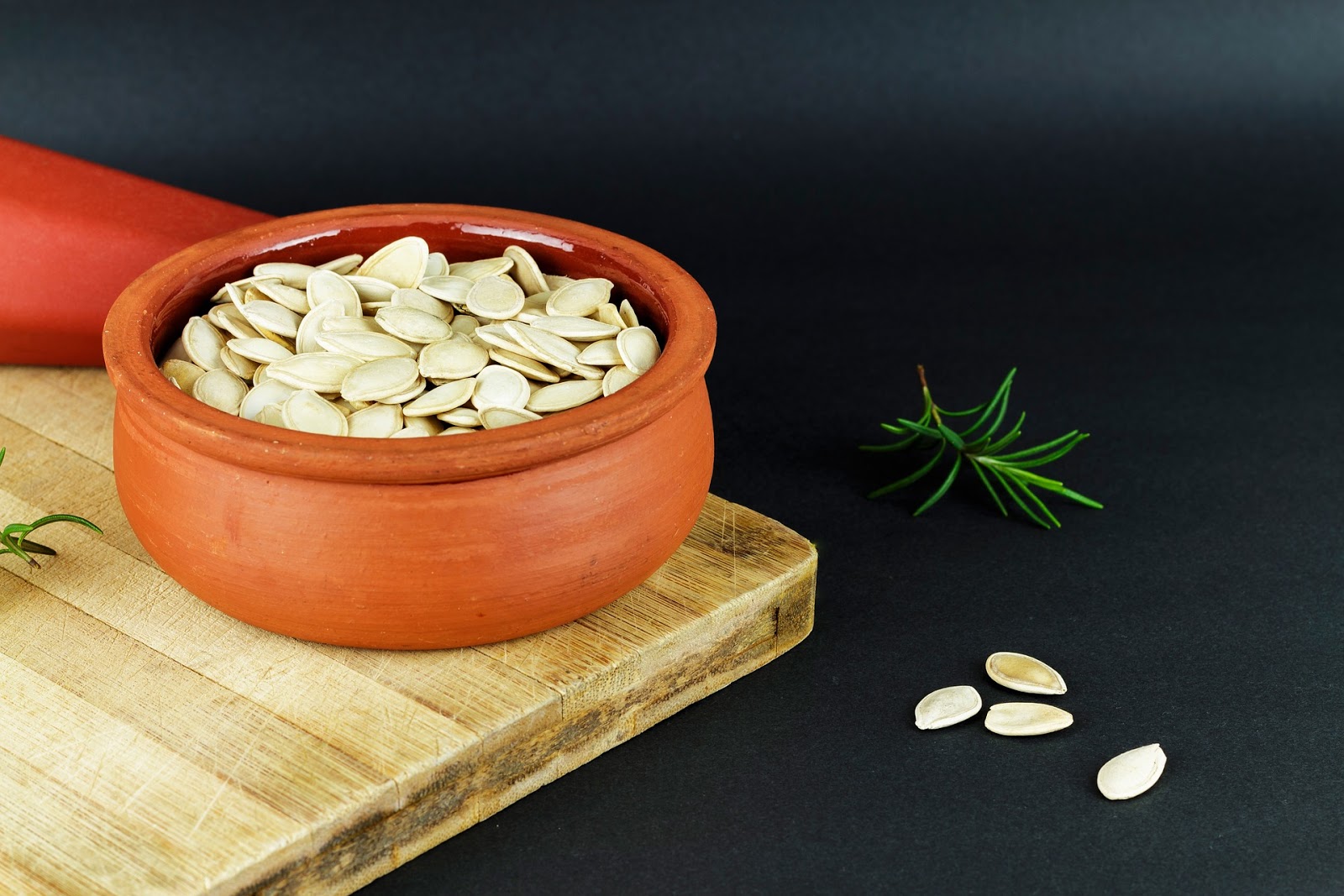
10. pumpkin seeds

pumpkin seeds fight inflammation in the body
Image via pixabay.


There are three main omega-3 fatty acids (polyunsaturated omega-3 fatty acids) that are found in foods. They are:
  • Alpha-linolenic acid (ALA)
  • Eicosapentaenoic acid (EPA)
  • Docosahexaenoic acid (DHA)

EPA and DHA are found in fatty fish whereas ALA is found in plants. Interestingly fish obtain DHA and EPA from algae.


Blueberries, citrus fruits, green tea, dark chocolate, and parsley are all examples of dietary sources of flavonoids. Flavonoids belong to the polyphenol class of phytonutrients and they are anti-inflammatory

Cytokines and chemokines are proteins that are produced by the immune system. These proteins result in chronic inflammation but flavonoids can inhibit certain steps within the pathway hence they can serve as natural inhibitors of inflammation (4).


11. blueberries


blueberries fight inflammation in the body
Blueberries. Image via pixabay.


12. citrus fruits


citrus fruits are great for inflammation
Image via pixabay.


13. green tea (5)


green tea fight inflammation in the body
Image via pixabay.

 
14. dark chocolate

dark chocolate fight inflammation in the body
Image via pixabay.


15. parsley


parsley fight inflammation in the body
Image via pixabay.


16. Oyster mushrooms (6)
17. Reishi

Mushrooms are edible fungi. There are many health benefits of mushrooms. Mushrooms contain the anti-inflammatory compounds polysaccharides, terpenoids, and phenolics which provide anti-inflammatory effects (7).

Oyster mushrooms are great in stir-fries.


Dark green leafy vegetables like:

18. kale


kale fight inflammation in the body
Kale. Image via pixabay.


19. broccoli

broccoli fight inflammation in the body
Image via pixabay.


and

20. spinach


spinach fight inflammation in the body
Image via pixabay.


Some anti-inflammatory nutrients that kale, broccoli, and spinach contain are omega-3 fatty acids, the anti-inflammatory phytonutrients: flavonoids and carotenoids and antioxidants.


The relationship between free radical and antioxidants

What is a free radical and how are they created?


In the body, oxygen splits into single atoms which results in what we call free radicals. A free radical contains one or more unpaired electrons in their outer orbitals and that makes them very reactive/unstable. One thing that was very clear from the years that I have studied chemistry is that electrons like to be in pairs. So they are going to search the body for other electrons to pair with because in order for it to become stable it will have to react with other molecules to pair that electron with.


Free radicals can react with all the cell molecular components of the body. When that happens a second radical will be generated and in turn will react and so on. In other words, free radicals can start a chain reaction. What makes them dangerous is that excessive free radicals can damage cellular components like proteins, enzymes, DNA, cell membrane and so on when they react with them. When that happens these cells may not function well and die. If cellular damage occurs it can lead to a variety of diseases.

The damages that free radicals cause causes inflammation which will, in turn, lead to more free radicals.


Antioxidants are so beneficial because they can interact with free radicals safely and stop the chain reaction and thus prevent cell damage. Antioxidants repair the damage that is caused to our cells by free radicals. Vegetables like kale, broccoli, and spinach are full of the antioxidants vitamin A, C, and K.

Broccoli contains sulforaphane. What is sulforaphane? Sulforaphane is an organic compound that contains sulfur as the name suggests. You cannot directly get this compound from the broccoli and other cruciferous vegetables without a process.

Broccoli contains glucoraphanin and the enzyme myrosinase which when come into contact will produce sulforaphane. They will get into contact when you cut or chew the broccoli. How is this compound related to inflammation? Sulforaphane fights inflammation!


21. Watermelon

Watermelon has a high water content and is low in calories. Watermelon is also rich in phytonutrients. Examples of phytonutrients that watermelon is a source of are:
  • Carotenoids (such as beta-carotene which is a type of carotenoid)
  • Lycopene - Lycopene gives watermelon its red color.

These phytonutrients are anti-inflammatory antioxidants which reduce inflammation and fight free radicals.

This juicy fruit is also rich in vitamin C. Vitamin C is a water-soluble vitamin. It is an antioxidant because it donates an electron and so it neutralizes free radicals.


watermelon fight inflammation in the body
Watermelon. Image via pixabay.


22. Bone broth


bone broth fight inflammation in the body
Image via pixabay.


Bone broth fights inflammation due to its nutrient content. Processed foods, antibiotics and so on can damage our intestinal lining. Gelatin is found in bone broth and it repairs the gut lining and thus reduce inflammation. Proline and glycine also found in bone broth can also heal the gut lining.

Another nutrient that is found in bone broth is glucosamine and it can also reduce inflammation.

Read more on bone broth: Bone broth - What it is, the health benefits and recipes


23. Beets


beets fight inflammation in the body
Beets. Image via pixabay.


Beets are a source of the phytonutrients betalains. The two categories of betalains found are betanin and vulgaxanthin. Together with the antioxidants manganese and vitamin C they reduce inflammation and fight free radicals.

Additionally, betalain pigments give beets their red color.


24. Turmeric


turmeric fight inflammation in the body
Turmeric. Image via pixabay.


Turmeric is a spice that Indians use in their cooking (An Indian home will always have turmeric!). It gives their food a yellow color. Turmeric contains curcumin and that's what makes this spice so beneficial to us. Curcumin helps with inflammation and it's a great antioxidant.
 
 Aside from putting it in your food, you can add it to your smoothies, teas, and milk.


 25. Avocados


avocados fight inflammation in the body
Image via pixabay.


Avocados contain phytosterols, vitamin E and C, magnesium, selenium, and zinc which makes it a great addition to your meals. Avocados have excellent anti-inflammatory properties.

There are so many ways that you can incorporate avocados into your diet! You can add them to smoothies, sandwiches, salads, desserts and so on.


Concluding Remarks
There are so many other foods that are not listed here that fight inflammation in the body that you can also incorporate into your diet. They are so simple to incorporate, you can even put them in smoothies. Try some for your next meal!

Related post: Can these 7 foods cause inflammation in the body?


25 anti-inflammatory foods


 References


1. El-Seweidy M.M., Ali S.I., Elsweify S.E., Ali A.A., Mashhour M.M. Omega 3 fatty acids intake versus diclofenac in osteoarthritis induced in experimental rats. Functional Foods in Health and Disease 2017; 7(4); 291-302

2. Alessio Molfino, Maria Ida Amabile, Massimo Monti, and Maurizio Muscaritoli, “Omega-3 Polyunsaturated Fatty Acids in Critical Illness: Anti-Inflammatory, Proresolving, or Both?,” Oxidative Medicine and Cellular Longevity, vol. 2017, Article ID 5987082, 6 pages, 2017. doi:10.1155/2017/5987082

3. Xue B, Yang Z, Wang X, Shi H (2012) Omega-3 Polyunsaturated Fatty Acids Antagonize Macrophage Inflammation via Activation of AMPK/SIRT1 Pathway. PLoS ONE 7(10): e45990. doi:10.1371/journal.pone.0045990


5. Reygaert, W.C. An Update on the Health Benefits of Green Tea. Beverages 2017, 3, 6.


7. Elsayed A. Elsayed, Hesham El Enshasy, Mohammad A. M. Wadaan, and Ramlan Aziz, “Mushrooms: A Potential Natural Source of Anti-Inflammatory Compounds for Medical Applications,” Mediators of Inflammation, vol. 2014, Article ID 805841, 15 pages, 2014. doi:10.1155/2014/805841


Iron deficiency anemia


The human body requires iron for survival! This iron can be found in foods. A deficiency in iron can lead to anemia. If iron is found in foods then why are people deficient to the point that it has lead to anemia? Apart from poverty, people are not eating the right foods and the body requires a steady supply of iron from our diet. However, one person's daily iron requirement may differ from another. Females, pregnant women and men iron requirements differ. If you have iron-deficiency anemia then yes you should be concerned because it can lead to serious consequences like death. All of this will be discussed further in this article.

In this post, I'm going to focus on iron-deficiency anemia. You are going to get anemia info, tips, recipes and a list of iron containing foods that you can eat.

Firstly:

What is anemia?

An article published on Your Medical Source by contributing author Guy Slowik FRCS defines anemia as:

"a condition in which the blood does not supply the body with enough oxygen. This is because, in anemia, either the number of red blood cells circulating in the body is lower than normal or the levels of hemoglobin inside the red blood cells fall below normal."


What number is lower than normal?


Men:
A hemoglobin level of less than 13.5 gram/100 ml

Female:
A hemoglobin level of less than 12.0 gram/100 ml

Source: [2]


The components of blood

Blood is made up of 4 main components. They are:
  • plasma
  • white blood cells (WBCs, leukocytes)
  • red blood cells (RBCs, erythrocytes)
  • platelets (thrombocytes)

Additionally, there are 3 types of WBC:
  • lymphocytes
  • monocytes
  • granulocytes

Also, there are three main types of granulocytes:
  • neutrophils
  • eosinophils
  • basophils

The red blood cells are found in the blood. About 40 - 45 percent of the blood's volume is made up of red blood cells thus making it the most abundant cell in the blood [3]. Each red blood cell has 200 million hemoglobin molecules and we have a total of 25 trillion red blood cells [4]. The iron that hemoglobin contains is recycled by the red bone marrow.


What are red blood cells (RBCs)?


Red blood cells. Image via pixabay.


Red blood cells are called erythrocytes and they are produced in the bone marrow. The soft jelly-like tissue that is found in the insides of bones is called the bone marrow. Also, there are two types of bone marrow- red and yellow. The red blood cells are produced by the red bone marrow. Additionally, not all bones produce red blood cells in adults. 


How are red blood cells produced?

Initially, red blood cells don't start off as red blood cells! Instead, they start off as blood stem cells that are produced by the bone marrow. Now, these blood stem cells are unspecialized cells which mean that they'll give rise to other blood cells as well as red blood cells.

These stem cells (the ones that will give rise to RBCs) will mature (during maturation hemoglobin will fill these cells and they'll lose their nuclei) in the bone marrow and will eventually give rise to immature red blood cells called reticulocytes. These reticulocytes will leave the bone marrow and enter the bloodstream and will circulate for a day in the blood stream and then develop into mature red blood cells. Once in the bloodstream, these biconcave disc shaped red blood cells will circulate for about 120 days.

A biconcave disc shaped red blood cell.
 Image via pixabay.


What is the function of red blood cells?

Red blood cells circulate around the body through the circulatory system. The circulation of the red blood cells occurs for about 120 days and the damaged and old ones are removed from the circulation by macrophages that are located in the spleen and liver [5].

Red blood cells transport hemoglobin, but, what is hemoglobin and its function? Hemoglobin (Hb) is a protein that carries oxygen to the cells of the body (from the lungs to all parts of the body). So, therefore, red blood cells carry hemoglobin and hemoglobin carry oxygen. So in anemia, if the red blood cells are lower then the body will be getting less oxygen and similarly less hemoglobin in the red blood cells will also mean less oxygen.

The function of red blood cells is to supply the tissues and organs with oxygen. The production of red blood cells is regulated by the hormone erythropoietin (produced mainly by the kidneys) and low oxygen levels. The large number of red blood cells that are found in the blood get their color from hemoglobin and that gives blood its red color. The body uses the oxygen it receives to produce energy.


Types of anemia

There are different types of anemia. Some are:

- Iron-deficiency anemia

- Vitamin-deficiency anemia

- Pernicious anemia

- Sickle cell anemia

- Hemolytic anemia

- Aplastic anemia

- Thalassaemia

- Fanconi anemia

- Anemia as a result of pregnancy or by diseases


Iron-deficiency anemia

Iron-deficiency anemia is the most common type of anemia. As the name implies, this anemia results due to a deficiency of iron or in other words having little iron in the body. According to the Iron Disorders Institute, "iron deficiency is the most common nutritional deficiency and the leading cause of anemia in the world."

Iron absorption from the foods that we eat take place in the intestines. Iron is needed to make hemoglobin and without enough iron, the bone marrow can't make enough hemoglobin. Also if parasites are consuming the iron that you take in from your diet then that can also lead to anemia.


Signs and symptoms of iron-deficiency anemia

Some signs and symptoms are:
  • fatigue (feeling tired)
  • shortness of breath
  • dizziness
  • your skin is pale
  • weakness
  • tinnitus
  • sore tongue
  • headache
  • hair loss
  • frequent infections
  • restless legs syndrome
  • feeling itchy
Note: You are at a higher risk for iron-deficiency anemia if:
  • you have heavy period
  • you're a vegetarian or vegan
  • you donate blood regularly

The cause of iron-deficiency anemia

Iron-deficiency anemia can be caused by:

- The loss of blood
If blood is lost from the body then so is iron. An injury, bleeding in the body, infections, diseases or heavy menstrual bleeding can cause this type of anemia. For example, blood loss by hook worm. This parasitic worm will feed off of blood inside the gut.

- Decreased iron absorption
Disorders like coeliac disease and Crohn's disease can damage the lining of the small intestine. When this happens the absorption of iron is disrupted because there is where iron absorption takes place.

- Consumption of iron is not enough
This happens when we eat too little iron containing foods.

- Pregnancy


Tips on how to prevent and improve iron deficiency anemia.
                                           
Note: A doctor visit is necessary for you to be diagnosed, may be prescribed iron supplements, go the natural route and so on. Just visit a doctor and he will decide what is the best treatment for you.


Our daily requirement of iron    

Men ------ 8 mg                             

 Menstruating women ------ 18 mg 

Nursing women ------ 9 mg           

Pregnant women ----- 27 mg        


1. Education
Education is needed to become knowledgeable on the foods that contain iron because if you don't know them how are you going to choose wisely and consume them.

2. Consume iron in your diet. This can be achieved by:

- consuming iron containing foods

This also means to:

- consume foods that were enriched with iron
The nutrients lost during the manufacturing process are added back to the foods.

Example:
Whole wheat vs white flour
The iron (other nutrients also) lost during the manufacturing process of white flour is added back.


- consume foods that were fortified with iron
Vitamins or minerals (micronutrients) are added to foods in the fortification of foods. These vitamins or minerals were not found naturally in these foods.


List of some iron containing foods


Some iron containing foods are:
  • organ meats (cow liver, chicken liver, kidneys, heart, gizzard)

Liver. Image via pixabay.


  • beef, chicken, pork, turkey, fish

Beef. Image via pixabay.


  • seafood (sardines, oysters, clams, mackerel, prawns, mussels)

Oysters. Image via pixabay.


  • tofu
Image via pixabay.


  • dark green leafy vegetables (e.g. callaloo, spinach)
Image via pixabay.

  • blackstrapp molasses

  • dark chocolate

Image via pixabay.


  • legumes (lentils, beans like kidney beans, lima beans, soybeans, cannellini beans, black beans, chickpeas, black-eyed peas) 

Beans. Image via pixabay.


  • pistachios

Image via pixabay.


  • spirulina

Image via pixabay.


  • pumpkin seeds

Image via pixabay.


  • sesame seeds

Image via pixabay.


  • whole grains (whole wheat, oats, brown rice, whole grain barley, quinoa)

Image via pixabay.


  • potatoes

Image via pixabay.


  • beets

Image via pixabay.


  • iron fortified cereals, pastas and breads

Pasta. Image via pixabay.

  • dried fruits such as raisins and apricots

Raisins. Image via pixabay.


- Iron supplements
There are iron supplements that can boost the iron in your body. It is important to know that a doctor has to prescribe this to you and he will also decide if this is the right treatment for you.

- Consume foods that enhance iron absorption
Vitamin C increases iron absorption. So consume things like orange juice and so on.

- Stay away from foods that make it harder for your body to absorb iron
Foods like:

  • walnuts
  • almonds
  • coffee
  • tea
  • dairy
  • eggs
Note: You can eat and drink less of these because large amounts of these will cause this to occur.


Apart from iron consumption, some tips/habits are:
- Always make sure that you consume iron containing foods each day to meet your daily requirements.
- If you're a vegetarian or a vegan then you should find great alternatives for iron to replace meat.


Recipes

One recipe that I'm going share with you is a Caribbean liver and gizzard recipe. You can serve/eat this how you like. A delicious way to eat this is the liver and gizzard served on top of brown rice with lentils. A salad on the side with a cold glass of lime aid. This salad is a simple cucumber, tomato, and lettuce raw salad.


Caribbean liver and gizzard recipe

Lots of people don't like eating liver simply because they don't like the taste but this recipe is pretty delicious. I prefer the taste of chicken liver as opposed to cow liver and so in this recipe, I'm going to use chicken liver along with chicken and gizzards. The brown sugar used in this recipe will give it a delicious sweet taste.


Ingredients

- 1/2 pound of chicken
- 1 pound of a combination of chicken liver and gizzards
- 2 Tbsp of olive oil
- 2 onions, coarsely chopped
- 8 cloves of garlic, pressed with a garlic press
- 1 Tsp of fresh ginger, grated
- 1 1/2 tsp tomato paste
- 1 1/2 Tbsp of brown sugar
- salt and black pepper to taste/ to your liking
- 1 chili diced (optional)
- chicken seasoning to your liking (use your favorite kind)
- a handful of coarsely chopped, parsley
- green onions, chopped


Instructions
  1. Wash your chicken, liver, and gizzard (not applicable if they came washed).
  2. Cut your chicken, liver, and gizzard into smaller pieces and season with salt, pepper and chicken seasoning to your liking.
  3. Place some oil in a pan and add the brown sugar. Let this cook until all the sugar has melted.
  4. Once all the sugar has melted add the chicken, liver, gizzard, and onions into the pan and stir until they are coated with the sugary oil. Let it cook for about a minute. 
  5. Add the tomato paste, garlic and ginger and stir once again.
  6. Let it cook until cooked. But 2 minutes before it is finished cooking add the parsley and chili and stir.
  7. Once finish add the green onions and stir and it's ready to eat.

Note: You can use liver only in this recipe and omit the chicken and gizzard.


Dhal Recipe

I have a dhal recipe that I have posted a while ago. You can read that recipe here.


Cucumber, tomato and lettuce salad recipe


Ingredients

- 2 tomatoes, chopped
- 1 cucumber, chopped
- lettuce, chopped
- 2 Tbsp of olive oil
- salt and black pepper to taste


Instructions
  1. Wash and chop your tomatoes, cucumber, and lettuce into bite size pieces.
  2. Add the rest of the ingredients and tossed. 


Lime aid Recipe


Ingredients

- limes, juiced
- water
- sweetener


Instruction

Add the ingredients together to your liking (choose the lime to water ratio that you like). Also, you can use whatever sweetener you like or you can omit it.
Related post: 5 natural substitutes for sugar 


If poor diet is causing iron-deficiency anemia then you need to start eating iron-rich foods.

Reference

1. Dean L. Blood Groups and Red Cell Antigens [Internet]. Bethesda (MD): National Center for Biotechnology Information (US); 2005. Chapter 1, Blood and the cells it contains. Available from: https://www.ncbi.nlm.nih.gov/books/NBK2263/
Food containing gluten. Image via pixabay.

Many many years ago our ancestors were hunters and gatherers and so their diet consist of foods that they would hunt and gather like meat, fish, eggs, fruits, nuts, vegetables, etc. About 10,000 years ago humans started the domestication of animals and crops and as a result gluten containing grains like wheat became apart of their diet. This wheat however had changed a lot since then.

Some people are living a gluten-free lifestyle these days! The negative health effects that gluten has on their health is the reason why they're eating gluten-free foods. Do you think that you should? For your health? There are indeed health effects associated with gluten! In this blog post, I'll list these health effects. Also, it is important to know that not all persons are affected by gluten the same way and that some persons are not even affected at all.

Three (3) health conditions associated with gluten are:
  • Celiac disease
  • Gluten intolerance or non-celiac gluten intolerance
  • Dermatitis herpetiformis (DH)
Below are more about these health conditions!

1. Celiac disease


Certain factors have to be present for celiac disease to result in someone.

Some (there are more) factors that may cause celiac disease to occur are:
- Gluten consumption
Gluten has to be present in the body (more specifically the small intestine) for it to occur. Hence, if you don't eat it, you simply can't have it! As simple as that!

- "Gluten genes"
You are at risk of having this disease if you have specific genes that are linked to this disease. Additionally, it can run in families because genes are passed on from generations to you.

- An abnormal immune system

- Consuming too much gluten

- Exposed to gluten at a young age
At infancy in some countries, infants are given barley (a gluten containing grain) porridge to drink.

If the first factor and a combination of one or more factors (including other factors that aren't listed above) are present in someone, then celiac disease can result and below is what can happen.

When food that contains gluten is eaten it eventually make its way to the small intestine. Lining the inner surface of the small intestine are finger-like projections called villi. The villi is the part of the small intestine that is responsible for nutrient and water absorption from food. So therefore if you eat a bowl of pasta (or any other food), the nutrients and water from that bowl of pasta that your body needs will be extracted from it by your villi.

That gluten is mistaken for a harmful pathogen or a foreign invader by the immune system and so the immune system produces antibodies to destroy it. Additionally, that person's immune system will also attack the tissue of the lining of the small intestine (the villi), resulting in horrible consequences.  

Such consequences are:
  1. When the lining of the small intestine is destroyed it's ability to absorb those nutrients and water from food is reduced. 
  2. Abdominal cramping and diarrhea will also result. 
  3. As a result, your body will become deficient in nutrients which will eventually lead to serious health problems of the body.

In conclusion celiac disease basically causes your immune system to attack your own body (in this case the lining of the small intestine - villous atrophy). When this occurs, you are said to have an autoimmune reaction to gluten. So with celiac disease, you are gluten intolerant, but your gluten intolerance causes villous atrophy and that's what makes it the celiac disease.

2. Gluten intolerance or non-celiac gluten intolerance

Gluten intolerance or non-celiac gluten intolerance occurs when your body cannot tolerate gluten.
Celiac disease is one form of gluten intolerance. It is important to know that they are not the same. So, therefore, you can have gluten intolerance and not celiac disease. Non-celiac gluten intolerance does not cause villous atrophy.
If you have gluten intolerance, then you cannot tolerate gluten. Some symptoms are:
  • headaches
  • itchy skin
  • eczema
  • Dermatitis herpetiformis
  • gas
  • diarrhea
  • constipation
  • abdominal pain
  • villous atrophy
  • anemia (B12 or iron deficiency)
  • heartburn
  • fatigue
  • osteoporosis
  • weight loss
  • weight gain
  • depression


3. Dermatitis herpetiformis (DH)

This skin disease is another autoimmune disorder that is also caused by gluten intolerance. This skin disease produces a very itchy rash on the skin that is red and bumpy in appearance.

How does this occur?

The intestine's mucous membranes produce the antibody IgA (class A immunoglobulin). When gluten is consumed it combines with that antibody and enters into the bloodstream. It then finds its way on the reticulin fibers of the skin and stays there which triggers an autoimmune reaction and the rashes appear.

Concluding Remarks

All three of these medical conditions improve over time once gluten consumption is discontinued and you get the required treatments from your doctor. It takes a long time for all of the gluten that you have been eating to completely leave your system.
Tips to manage Type 2 diabetes
Image via pixabay

Type 2 diabetes can be life threatening and can cause a lot of other illnesses to occur. Some people cope with it all wrong and end up in quite a pickle, like losing their sight or worst die from it. People think that they are fine if they keep taking pills, but they need to check their blood sugar regularly to ensure that it's indeed high before they do so. Also, taking pills is not the only thing you need to do.

Image via pixabay

Some tips to effectively manage Type 2 diabetes are:
  • Check your blood sugar regularly - You need to check it regularly to determine if you need to take pills or insulin and what doses. Death can occur because someone took medication without checking and their blood sugar is normal and it lowered their blood sugar too low. If this happens, take something that has sugar and can easily be digested by your body. Additionally, you should keep a record of your blood sugar readings to see how you're managing it and to see where you can make improvements.
  • Change your diet - This is necessary because what you eat will obviously be broken down by your digestive system into sugar and find itself in your blood. Some foods have more sugar than others and diabetics need to eat more of the foods that are less in sugar rather than the ones with more (Read: 10 smart ways to reduce your sugar intake). Foods that are low in fat and cholesterol are best to consume also.
  • Exercise - Get regular exercise and on some days that you feel lazy or not up to it, you can go for a nice long walk instead of running on a treadmill and this makes things more tolerable. If you're overweight, try your utmost to lose some weight (Read: The best ways to lose weight).
  • Plan your day to day activities - Plan your exercises, meals and so on and you'll see that your life runs smoothly and your healthier.
  • Educate yourself - You need to know more about this disease if you have it so that you know what to avoid and so on, what this means for your body and how you can be a much healthier person. Additionally, you need to know about the various diseases that can arise due to diabetes and how to prevent them or what to check for at the doctor.
  • Get regular checkups at the doctor - Diabetes can lead to many other illnesses of the body and it's better to detect these illnesses at the beginning. What happens is that someone might not go and check their eyes and they might have diabetic retinopathy and so they don't know at the beginning and could become blind.
Take charge of your diabetes today and you will see that you will be a much healthier person than you were yesterday.
Older Posts Home

WELCOME

WELCOME
Hi There, I am Nadina and welcome to The Next Healthy, my healthy living blog!

Follow Me

https://plus.google.com/b/113540088634785546284/+ThenextHealthyBlogspot/posts https://twitter.com/?lang=en

POPULAR POSTS

  • Tips to get pregnant after 35
  • Reasons why you're not getting pregnant
  • Health benefits of ginger
  • Can these 7 foods cause inflammation in the body?
  • 25 foods that fight inflammation in the body
  • I have iron-deficiency anemia, should I be concerned?
  • 5 health benefits of probiotics
  • How to eat healthy food without getting bored
  • Bone broth benefits and recipes
  • Health benefits of chia seeds

Blog Archive

  • ▼  2019 (1)
    • ▼  November (1)
      • Leaky Gut Syndrome - What it is, symptoms, causes,...
  • ►  2018 (8)
    • ►  December (1)
    • ►  July (1)
    • ►  March (2)
    • ►  February (3)
    • ►  January (1)
  • ►  2017 (8)
    • ►  October (1)
    • ►  September (1)
    • ►  August (1)
    • ►  July (2)
    • ►  April (1)
    • ►  March (1)
    • ►  January (1)
  • ►  2016 (26)
    • ►  November (1)
    • ►  October (3)
    • ►  September (1)
    • ►  August (2)
    • ►  July (2)
    • ►  June (5)
    • ►  May (3)
    • ►  April (5)
    • ►  March (2)
    • ►  February (1)
    • ►  January (1)
  • ►  2015 (4)
    • ►  December (2)
    • ►  November (2)

Copyright © 2016 The Next Healthy. Created by OddThemes