The Next Healthy

"The Next Healthy" is a healthy lifestyle blog that was created by Nadina to share all things healthy.

Powered by Blogger.
  • Home
  • About
  • Contact
  • Disclaimer & Disclosure
  • Privacy Policy
  • Terms of use
Can these 7 foods cause inflammation in the body?
Image via pixabay.


In today's modern world we are consuming foods that our ancestors didn't consume. We as consumers are demanding foods that are so different and so food scientists are producing them hence we are changing our foods. Certain foods can be major contributors to inflammation. So, therefore, the foods that we eat can cause inflammation and some can fight inflammation.


Excessive or uncontrolled inflammation plays a role in lots of diseases that affect humans these days.
Allergies, inflammatory bowel disease, diabetes, arthritis, cardiovascular disease, asthma, dementia, eczema, lupus, Crohn's disease and psoriasis are all inflammatory diseases which occur when the body's own immune system turns against itself.


Some foods that cause inflammation in the body


1. Refined carbohydrates

Carbohydrates are responsible for many roles in the human body. However, carbohydrates can cause inflammation but it is dependent on the source. In other words, not all carbohydrates will cause inflammation. Refined carbohydrates promote inflammation whereas whole grains, fruits and, vegetables are good sources of carbohydrates that are full of fiber, vitamins, antioxidants and, minerals.


Examples of refined carbohydrates:
sugars, high-fructose corn syrup, instant oatmeal, white rice and white flour


White flour causes inflammation
White flour. Image via pixabay.


Refined carbohydrates have a higher glycemic load and are processed. The fiber and most of the nutritional value is removed from refine carbohydrates and as a result, we can consume too much refined carbohydrates. So therefore if we consume too much that our body doesn't use then the rest will be converted to pro-inflammatory saturated fat- palmitic acid which increases inflammation. They can also lead to obesity from over-consumption which will increase systemic inflammation.


Carbohydrates are converted to sugar in the blood but refine carbohydrates are converted quicker. When the blood sugar rises it will trigger the pancreas to produce insulin to move the sugar from the bloodstream and into the cells. Consequently, excess insulin promotes the storage of pro-inflammatory body fat.


- Sugar/high fructose corn syrup

Excessive sugar intake can increase your risk of inflammation. Cytokines are pro-inflammatory molecules that are released when you eat sugar.


You can find sugar in sodas and candies.


- Artificial sweeteners

Excess calories from sugar can cause diabetes, obesity and so on and so the food industry has created artificial sweeteners to substitute sugar. Artificial sweeteners are used by consumers because they provide a sweet taste like sugar (that lots of people crave) without having as many calories as sugar and some have zero calories.


Examples of artificial sweeteners: sucralose, aspartame, sorbitol, maltodextrin and, xylitol


How do artificial sweeteners cause inflammation?

There is a community of microorganism that lives in our digestive tract. This community is referred to as the gut microbiome or gut microbiota. There are many different species that form this community and some form a symbiotic relationship with us, others a commensal relationship and some a pathogenic relationship with us. Our good microorganisms/bacteria are necessary for the breakdown of complex carbohydrates, the synthesis of vitamins and so on. The good microorganisms outcompete the pathogens for nutrients and thus keep them in check. There is a balance that exists within the microbiome and changes in a species can disrupt the entire microbiome community. When this occurs it will also affect the host.

This microbiome can be altered by artificial sweeteners. When gut microbiome dysbiosis occurs inflammation will result.


Aspartame

Example of food that it can be found in diet sodas.

Aspartame is a neurotoxin that causes inflammation in the brain.


Animal studies:


Acesulfame Potassium (acesulfame K or Ace-K)

Ace-K is a calorie-free sweetener that can be found in foods and drinks such as soda and candy.


Bian et al. (2017) studied the effects of Ace-K on the gut microbiome and the changes in fecal metabolic profiles using 16S rRNA sequencing and gas chromatography-mass spectrometry (GC-MS) metabolomics. They found that the gut microbiome of CD-1 mice that consumed Ace-K was upset after a 4-week treatment. Also, ace-K caused an increased body weight gain of male but not female mice (1).


Sucralose

Bian et al. (2017) studied the gut microbiome response to sucralose and its potential role in inducing liver inflammation in mice. These mice consume sucralose for 6 months at the human acceptable daily intake. They found that this sucralose alters the gut microbiome and its functions in mice. In particular, sucralose alters the gut environment to release more pro-inflammatory mediators and alter functional metabolites, which may contribute to the increased expression of pro-inflammatory markers in the liver, such as iNOS and MMP-2. All this results even though the majority of the sucralose that the mice ingested passed through the gut unabsorbed (2).


Uebanso et al. (2017) also studied the effects of low-dose non-caloric sweetener consumption on gut microbiota in mice (3).


Uebanso et al. (2017) stated:

"In conclusion, we found that consumption of low-dose sucralose, but not acesulfame-K, affected the relative amount of the Clostridium cluster XIVa in fecal microbiome and cholesterol bile acid metabolism in mice, even at levels within the ADI."


Would/do you eat artificial sweeteners?


2. Alcohol

You can find alcohol in beers and wines.


Alcohol eg. wine causes inflammation
Wine. Image via pixabay.


A high/excessive consumption of alcohol regularly causes inflammation which will lead to lots of conditions and diseases. For example, chronic alcohol consumption can lead to increased cytokine secretion and inflammation in the heart and brain resulting in damage to these organs (4).


Tsung et al. (2013) investigated the effects of ethanol on physiopathology and cytokine levels following hemorrhagic shock in acutely alcohol-intoxicated rats. Their study found that heavy alcohol intoxication increases proinflammatory cytokines and aggravates hemorrhagic shock-induced organ damage in rats (5).


People abuse alcohol on a regular basis. Alcohol is a psychoactive drug and it is also a macronutrient. The main site of alcohol metabolism is the liver (alcohol is converted to acetaldehyde by the liver and is toxic) hence it's the organ that is most likely injured due to excessive alcohol consumption. Alcohol metabolism will lead to fat accumulation in the liver which will lead to a fatty liver/steatosis (it is not the only mechanism by which this occurs). This can lead to inflammation of the liver called alcoholic hepatitis. When you continue to drink excessively with alcohol hepatitis it can lead to cirrhosis of the liver. Liver cancer can result when drinking with cirrhosis.


Other conditions and diseases that chronic alcohol consumption can lead to are an increase the risk of metabolic disturbances, heart disease and, dementia.

Research articles for additional reading on alcohol contribution to inflammation
  • Alcohol, Adipose Tissue and Lipid Dysregulation
  • Modulation of Inflammation by Alcohol Exposure 
  • Cytokine Changes following Acute Ethanol Intoxication in Healthy Men: A Crossover Study
  • Alcoholic Liver Disease: Role of Cytokines 


3. Vegetable oils

Two types of polyunsaturated fatty acids are omega-3 and omega-6 and we require both of these fatty acids from our diets. However, we need a certain ratio of these fatty acids and if we consume excess amounts of omega-6 fatty acids and a very high omega-6 to omega-3 ratio (too much omega-6 fatty acids and too little omega-3 fatty acids) then that can lead to health issues like inflammation. That is it can make us susceptible to or worsen inflammatory diseases (6).


Changes have taken place in our diet over the years. One such change is in the ratio of omega-3 to omega-6. Our ancestors had a healthy balance of omega-3 and omega-6 fats. They used to consume fish, meat, eggs, nuts, etc that contain omega-3 fatty acids. But that diet has changed due to modern agriculture. With modern agriculture animals are fed feeds that consist mainly of grains as opposed to animals that used to graze back in the time of our ancestors. This also lead to the production of vegetable oils from sunflower, cottonseed, soybean, corn, etc. How is vegetable oil related to this? The problem with vegetable oils is that vegetable oils are rich in omega-6 fatty acids and poor in omega-3s and we consume too much vegetable oils and not enough of omega-3 fat food sources. As a result, the modern diet contains much higher amounts of omega-6 fats as opposed to omega-3 fats.


Omega-6 fatty acids:
grain-fed animals, eggs and dairy products, vegetable oils: sunflower, cottonseed and corn

Omega-3 fatty acids: fatty fish


Vegetable oils causes inflammation
Oil. Image via pixabay.


More into the inflammation

Inflammation through this food has to do with the Cyclooxygenase (COX) enzymes which build larger fat molecules. The issue is that omega-6 and omega-3 fatty acids are in competition with each other for the same binding site on the COX 2 enzymes (a type of COX enzymes). This enzyme converts omega-6 fats into inflammatory prostaglandins and omega-3 fats to anti-inflammatory prostaglandins. So therefore if too many omega-6 fats are consumed more of these enzymes will be used by omega-6 fats and will consequently decrease the body's ability to build anti-inflammatory fats from omega-3. So if you have more omega-3 fatty acids then they will block the binding sites of these enzymes by binding to them their self and thus fewer omega-6 fats are able to convert to prostaglandin.

If you don' really understand enzymes and binding sites here's a simpler explanation
Prostaglandins are made from the fats that we eat. So if both of these fatty acids are converted to prostaglandins then what's the point? Omega-6 produce pro-inflammatory prostaglandins and omega-3 produce anti-inflammatory prostaglandins. This is because the prostaglandins that are formed from omega-3 fatty acids are less active than the ones that are formed from omega-6 fatty acids so some prostaglandins promote inflammation and some reduce it.

In conclusion, the balance of pro-inflammatory to anti-inflammatory prostaglandins is determined by the types of fats we consume.


Can imbalance lead to obesity?
Another problem with too much omega-6 fatty acids and too little omega-3 fatty acids is that it is associated with weight gain in both animal and human studies (7). Inflammation can be caused by obesity. The layer of fat beneath the skin is metabolically active and contains many white blood cells. So, therefore, the more body fat present the more white blood cells will also be present. Pro-inflammatory substances are released from these cells or obese- fat cells plays a role in the creation of the messengers that cause inflammatory disease.


Foods fried in vegetable oil
When fats are subjected to high temperatures they are chemically modified. For example, foods fried in vegetable oil. So if you fry certain foods (eg. chicken) in vegetable oil advanced glycation end products (AGEs) are created. AGEs are created by a reaction from both fats, proteins and sugars. AGEs can promote oxidative stress and inflammation (when we consume these foods immune cells will produce large amounts of cytokines to protect the body from these substances).


  4. MSG

Monosodium glutamate or more commonly call MSG is used as a flavor enhancer in foods. MSG can cause liver inflammation. Additionally, it can cause weight gain.


Some other names for MSG are yeast extract, glutamic acid and hydrolyzed protein.

Examples of foods that contain MSG: potato chips, croutons, processed meats, salad dressings and seasonings


 5. Gluten

Gluten can cause gut inflammation- bloating and digestive problems and contribute to leaky gut to those who are sensitive to it.
Gluten is found in wheat, barley and rye grains. So, therefore, foods that contain these will cause inflammation.


Want to read other gluten-related posts? If yes then check these posts below.

  • What is gluten in food?
  • Health effects of gluten
  • How to remove gluten from your diet


  6. Trans fats

Examples of foods that trans fats can be found in: fried foods, cakes, cookies, some margarine and fast foods


Trans fats are unsaturated fats. Artificial trans fats/hydrogenated oils are created from liquid oils. Trans fats interfere with the action of COX-2 enzymes and as a result, cytokines are produced that signal the need for inflammation to begin and also the release of C-reactive protein.


7. Saturated fats

Example of foods that contain saturated fats: animal products like red meat and butter


Saturated fats are solid at room temperature and they trigger inflammation in adipose tissue.


Concluding remarks

Chronic inflammation can be caused by our diets and as a result, a cause of inflammatory diseases is the diet. Additionally, some of the foods that cause inflammation in the body are foods that our ancestors didn't consume.

Related post: 25 foods that fight inflammation in the body


xoxoxox
Nadina


Can these 7 foods cause inflammation in the body? Inflammation diet, inflammation remedies


References

1. Bian X, Chi L, Gao B, Tu P, Ru H, Lu K (2017) The artificial sweetener acesulfame potassium affects the gut microbiome and body weight gain in CD-1 mice. PLoS ONE 12(6): e0178426. https://doi.org/10.1371/journal.pone.0178426


2. Bian, X., Chi, L., Gao, B., Tu, P., Ru, H., & Lu, K. (2017). Gut Microbiome Response to Sucralose and Its Potential Role in Inducing Liver Inflammation in Mice. Frontiers in Physiology, 8, 487. http://doi.org/10.3389/fphys.2017.00487

3. Uebanso T, Ohnishi A, Kitayama R, Yoshimoto A, Nakahashi M, Shimohata T, Mawatari K, Takahashi A. Effects of Low-Dose Non-Caloric Sweetener Consumption on Gut Microbiota in Mice. Nutrients. 2017; 9(6):560.

4. Obad A, Peeran A, Little JI, Haddad GE and Tarzami ST (2018) Alcohol-Mediated Organ Damages: Heart and Brain. Front. Pharmacol. 9:81. doi: 10.3389/fphar.2018.00081

5. Tsung-Ming Hu, Ru-Ping Lee, Chung-Jen Lee, Yi-Maun Subeq, Nien-Tsung Lin, and Bang-Gee Hsu, “Heavy Ethanol Intoxication Increases Proinflammatory Cytokines and Aggravates Hemorrhagic Shock-Induced Organ Damage in Rats,” Mediators of Inflammation, vol. 2013, Article ID 121786, 9 pages, 2013. doi:10.1155/2013/121786

6. Patterson, E., Wall, R., Fitzgerald, G. F., Ross, R. P., & Stanton, C. (2012). Health Implications of High Dietary Omega-6 Polyunsaturated Fatty Acids. Journal of Nutrition and Metabolism, 2012, 539426. http://doi.org/10.1155/2012/539426

7. Simopoulos, A. P. (2016). An Increase in the Omega-6/Omega-3 Fatty Acid Ratio Increases the Risk for Obesity. Nutrients, 8(3), 128. http://doi.org/10.3390/nu8030128


Beans are highly nutritious - they're are an excellent source of healthy plant protein. Canned and home cooked beans are the options available when you go grocery shopping. Which one do you prefer/purchase, canned or home cooked beans? I use both beans but prefer home cooked beans and as a result, use it more often.

Examples of some beans are:
black beans
pinto beans
chickpeas
kidney beans
black-eyed peas


Canned vs home cooked beans


CANNED BEANS

What are canned beans?
Canned beans are dried beans that have been cooked and packaged in a can.

These days lots of people are using canned beans simply because it's fast/convenient. They don't require cooking but price wise it's more costly. Some varieties of canned beans can be healthy whereas others can be unhealthy. Some unhealthy varieties contain lots of unhealthy ingredients like:
  • sodium (salt)
  • sugar
  • fats (lard, butter, animal fats)
  • other harmful ingredients
Additionally, some manufacturers are using BPA cans to package their beans. As a result there are health risks associated with the use of these BPA cans.

BPA stands for Bisphenol A. This is an industrial chemical that is used in the production of the plastic lining that manufacturers use to line the cans. The plastic lining is used to prevent the cans from corroding and affecting the food package in it. BPA is an endocrine disruptor which means that it can interfere with the hormone system.


Tips on avoiding BPA

  • Cut back on canned beans/discontinue using the ones that are packaged in BPA cans
  • Don't heat the BPA can

Another disadvantage of using canned beans is that canned beans are not as tasty as home-cooked beans. This, however, can depend on the brand that you purchased.

If you're going to use canned beans then you can:
  • check to see if they contain the unhealthy ingredients that I've mentioned above. If they do then you should also check the ingredients list to see how much of unhealthy ingredients per serving they contain
  • purchase low-sodium/sodium-free ones
  • purchase fat-free/reduced fat ones
  • buy the healthy brands
  • discard the liquid that it came in and rinse thoroughly to remove as much salt as possible. Rinsing reduces the sodium in the beans so always rinse before cooking or serving.
  • purchase canned beans with labels that say BPA- free/ use BPA - free cans of beans


HOME COOKED BEANS

Home cooked beans are dried beans that you purchase and cook. The biggest disadvantage of dried beans for most people is that it takes a long time to cook/time-consuming. I consume cooked beans more than canned beans because I have an easy method to cook them which I'll share with you. Home cooked beans are healthy, taste better and have a better texture than canned beans.

Tips
  • Cook them faster with a pressure cooker
  • Another tip is to prep them ahead of time. Make a big batch of them and portion them and freeze. Alternatively, I like to cook them on a weekly basis also. So I'll only cook the amount that I'll use for the week and refrigerate it.
  • With home cooked beans you control what you put into it like sodium. Sometimes I'll put some salt and sometimes I won't or I'll use a reduced amount. You can also flavor it however you'd like or with what you'd like.


Recipe


Ingredients

- dried beans of your choice
- salt to taste/ to your liking (you can omit it if you'd like, I do most times)
- water to cover the beans


Instructions

  1. Soak your beans in some water over night (or for a minimum of a couple hours). The water should cover the beans and if any time during the soaking process the water has dried out add more water to cover the beans.
  2. Wash/rinse the beans.
  3. Place your beans into a pressure cooker, pour water to cover the beans and close it.
  4. You can add additional water if needed during the cooking process.
  5. Cook/pressure the beans in the pressure cooker until they are soft or done to your liking. 
  6. Strain the beans at the end of the cooking time through a strainer/colander and discard or keep the cooking liquid.
  7. Place the beans into containers and store however desired (refrigerate or freeze).
  8. Defrost/heat when ready to use.


Additional cooking notes

- I use a pressure cooker to cook my beans in because it shortens the cooking time tremendously - they cook faster (under an hour). If however, you don't have one you can use a pot.

- You can cook one type of bean at a time or a combination of beans but this will depend on the individual cooking time of each bean. So if you have two beans with different cooking time, place the beans with the longest cooking time into the pressure cooker first and when it is left with the cooking time of the other bean to cook place the other bean inside to cook along with it.

- The soaking process softens the beans and they cook even faster. After they have finished soaking your nails can stink into them. It speeds up the cooking time in a pot too but obviously, the pot method will still take longer to cook than the pressure cooker method.

- If you're cooking more than one bean then you should soak them separately. This is necessary because they are going to go into the pot at different times. You can soak beans together that has the same or around the same cooking time.

- You can even add seasoning to them (which I do).

- Wait until the last minute to add the salt as it slows down the cooking.

Conclusion
When you're trying to live a healthy life you have to consume the healthiest foods. I try to avoid canned foods that are unhealthy. In this case, both home cooked and some canned beans happen to be the healthiest ones.

How to eat more vegetables
Image via pixabay


We all know that we should eat more vegetables. Unfortunately for some of us knowing so doesn't actually make us eat more. This is because we are too busy so we settle for food that has little or none at all in them, are lazy, don't like eating them, don't know how to prepare them, etc.


How to eat more vegetables


Some ways on how to eat more vegetables are:

- Acquire vegetables (either purchase or grow your own) so you'll always have it on hand
This is the first thing that you have to do! You can't eat it if you don't have it.


- Have your veggies already prepped (chopped or whatever) beforehand. Basically ready to be cooked or eaten (if you want to consume it raw).

Image via pixabay


or

- Purchase already cleaned and washed ones.
This is great if you're busy or lazy (like me). Busy because you won't have the time to prep them and lazy because you won't want to do it.

- Add some to juices and smoothies or use vegetables to make juices (like carrot juice)
This way you won't really taste them (great if you hate the taste of them) and you are getting them.


Image via pixabay


- Use vegetables as dips
I make some really delicious dips that are made mostly of vegetables. Two are a roasted eggplant dip and a tomato dip.


Image via pixabay


- Learn how to cook vegetables if you don't know how to cook them
If you don't know how to cook them then you might not eat them.


- Purchase your take out food more smartly
Purchase at healthy restaurants, like vegan and vegetarian restaurants- their meals will consist of vegetables and the vegetables can make up most of an individual meal. You can also purchase healthy vegan and vegetarian meals at non-vegan and non-vegetarian restaurants also.


- Start your day off with vegetables, don't wait for later in the day
You can add some vegetables to your omelet.


- Always try to add vegetables to all or at least most of the foods that you cook


Image via pixabay

Food containing gluten. Image via pixabay.

Many many years ago our ancestors were hunters and gatherers and so their diet consist of foods that they would hunt and gather like meat, fish, eggs, fruits, nuts, vegetables, etc. About 10,000 years ago humans started the domestication of animals and crops and as a result gluten containing grains like wheat became apart of their diet. This wheat however had changed a lot since then.

Some people are living a gluten-free lifestyle these days! The negative health effects that gluten has on their health is the reason why they're eating gluten-free foods. Do you think that you should? For your health? There are indeed health effects associated with gluten! In this blog post, I'll list these health effects. Also, it is important to know that not all persons are affected by gluten the same way and that some persons are not even affected at all.

Three (3) health conditions associated with gluten are:
  • Celiac disease
  • Gluten intolerance or non-celiac gluten intolerance
  • Dermatitis herpetiformis (DH)
Below are more about these health conditions!

1. Celiac disease


Certain factors have to be present for celiac disease to result in someone.

Some (there are more) factors that may cause celiac disease to occur are:
- Gluten consumption
Gluten has to be present in the body (more specifically the small intestine) for it to occur. Hence, if you don't eat it, you simply can't have it! As simple as that!

- "Gluten genes"
You are at risk of having this disease if you have specific genes that are linked to this disease. Additionally, it can run in families because genes are passed on from generations to you.

- An abnormal immune system

- Consuming too much gluten

- Exposed to gluten at a young age
At infancy in some countries, infants are given barley (a gluten containing grain) porridge to drink.

If the first factor and a combination of one or more factors (including other factors that aren't listed above) are present in someone, then celiac disease can result and below is what can happen.

When food that contains gluten is eaten it eventually make its way to the small intestine. Lining the inner surface of the small intestine are finger-like projections called villi. The villi is the part of the small intestine that is responsible for nutrient and water absorption from food. So therefore if you eat a bowl of pasta (or any other food), the nutrients and water from that bowl of pasta that your body needs will be extracted from it by your villi.

That gluten is mistaken for a harmful pathogen or a foreign invader by the immune system and so the immune system produces antibodies to destroy it. Additionally, that person's immune system will also attack the tissue of the lining of the small intestine (the villi), resulting in horrible consequences.  

Such consequences are:
  1. When the lining of the small intestine is destroyed it's ability to absorb those nutrients and water from food is reduced. 
  2. Abdominal cramping and diarrhea will also result. 
  3. As a result, your body will become deficient in nutrients which will eventually lead to serious health problems of the body.

In conclusion celiac disease basically causes your immune system to attack your own body (in this case the lining of the small intestine - villous atrophy). When this occurs, you are said to have an autoimmune reaction to gluten. So with celiac disease, you are gluten intolerant, but your gluten intolerance causes villous atrophy and that's what makes it the celiac disease.

2. Gluten intolerance or non-celiac gluten intolerance

Gluten intolerance or non-celiac gluten intolerance occurs when your body cannot tolerate gluten.
Celiac disease is one form of gluten intolerance. It is important to know that they are not the same. So, therefore, you can have gluten intolerance and not celiac disease. Non-celiac gluten intolerance does not cause villous atrophy.
If you have gluten intolerance, then you cannot tolerate gluten. Some symptoms are:
  • headaches
  • itchy skin
  • eczema
  • Dermatitis herpetiformis
  • gas
  • diarrhea
  • constipation
  • abdominal pain
  • villous atrophy
  • anemia (B12 or iron deficiency)
  • heartburn
  • fatigue
  • osteoporosis
  • weight loss
  • weight gain
  • depression


3. Dermatitis herpetiformis (DH)

This skin disease is another autoimmune disorder that is also caused by gluten intolerance. This skin disease produces a very itchy rash on the skin that is red and bumpy in appearance.

How does this occur?

The intestine's mucous membranes produce the antibody IgA (class A immunoglobulin). When gluten is consumed it combines with that antibody and enters into the bloodstream. It then finds its way on the reticulin fibers of the skin and stays there which triggers an autoimmune reaction and the rashes appear.

Concluding Remarks

All three of these medical conditions improve over time once gluten consumption is discontinued and you get the required treatments from your doctor. It takes a long time for all of the gluten that you have been eating to completely leave your system.


Do you know how to make a healthy grocery list? If not, then keep on reading!

A balanced diet is necessary for a healthy body. So therefore we need:
  • carbohydrates (which include fiber)    
  • proteins
  • fats
  • vitamins
  • mineral salts
  • water


Nutrients that our bodies need


These nutrients come from foods. Additionally, you can also obtain certain vitamins and minerals from supplements and water from the foods that you eat and the drinks that you drink. So you should be leaving the supermarket with foods in all these food groups.

When you're making a healthy grocery list you have to take into account of the number of persons that the food will be feeding, each person's nutritional requirement which will differ from each other because of their age, gender, if they have any deficiency, etc. and also so will the number of calories that they will need.

When we choose these we must always:

- Buy more nutrient dense foods or real whole foods like fruits and vegetables, whole grains, nuts, etc.

- Avoid foods that has empty calories. These foods have very few/no nutrient whatsoever and still contain lots of calories. eg. sugar, processed foods, junk foods. Buy a small quantity of these if you can't leave it out.

- Buy the ingredients to make foods instead of buying the foods already cooked. This will ensure that you're aware of what's in your food.


- Don't stack up on too many unhealthy foods because it's on sale! Once these foods are on sale you'll tend to buy a lot, which will last a long time and hence you'll want to eat more of it just because you have it in your house. Just buy what's on your list and ignore the sale.

So, therefore, your shopping cart must contain vegetables, fruits, whole grains, healthy lean proteins, healthy fats, and water.

Below are some specific healthy food options in each food group, but there are many more that aren't included in this list.

CARBOHYDRATES

Grains
brown rice
quinoa
couscous
whole wheat pasta
whole wheat bread
barley 
steel cut oatmeal

Fruits and vegetables
bananas
strawberries
lemons
blueberries 
mushrooms
sweet potatoes
cucumbers
tomatoes
carrots
zucchini
eggplant
garlic
onion
ginger
bread fruit
eddo

Seeds
sunflower seeds
flaxseeds
pumpkin seeds

Sweeteners
coconut sugar
molasses
honey
date sugar

You can read more about these healthy options for processed sugar here.


PROTEINS

Legumes
beans
lentils
chickpeas

Fish and meat
low-fat meat- skinless chicken breasts
wild salmon
shrimp
eggs

Soy
Tofu

Dairy
yogurt
cottage cheese


Plant-based milk
almond milk
oat milk
coconut milk
rice milk
flax milk

FATS
avocados- good fat
coconut oil
Olive oil
nuts

VITAMINS AND MINERAL SALTS
These are acquired when you eat foods from the different food groups.

WATER
plain old water
coconut water
lemon water
tea

It's important that you shop healthy foods if you want to eat more healthy!


Natural substitutes for sugar
White sugar. Image via pixabay.

 
To add sweetness to a drink or food we would most likely reach for some sort of sugar. The type of sugar an individual may reach for may differ from that of another simply because there are so many options available. This is so because sugar can be derived from different sources and as a result, we have different types. There are artificial sweeteners, natural sweeteners, and refined sweeteners. It's better to reach for certain sweeteners than others. Natural sweeteners are the best choice instead of unhealthy refined sugars. 

There are natural substitutes for sugar (refined) but you must understand that these substitutes are still sugar and so they must be eaten in moderation. Do you want to know of some natural substitutes for sugar? In this post, I'm going to list some much healthier options (natural substitutes) for sugar so keep on reading.

What is sugar?
Sugar is basically a carbohydrate that has no nutritional value.

There are:
Simple sugars are - fructose and glucose
Complex sugars are - sucrose
Plants make fructose and glucose.

And:
fructose + glucose = sucrose
sucrose (can be broken down into) = fructose + glucose


There are:
- Natural sugar
- Refined sugar

Facts about these sugars.
Refined sugar
- It is processed in factories so it's a processed sugar.
- Comes from/extracted from a whole food. For example, sugar from sugarcane.

Natural sugar
- Is not processed in factories or is slightly processed (e.g. honey)
- They come from whole foods (e.g. fruits)


Why is refined sugar bad for you and why I prefer to eat mostly natural sugar rather than refined sugar?

Both refined sugar and natural sugar will add sweetness to your drinks and foods, but natural sugars are better for your body. These refined sugars are processed sugars which are not good for the body because they have been linked to a number of diseases like diabetes, hypertension, obesity, etc.


The good thing about natural substitutes is that they contain nutrients in addition to sweetness which is needed by the body and that's why I prefer them.

Always remember:

The more processed a sugar -> The more unhealthy it is for you
So, therefore, you should always use sweeteners that are as close to their natural state as possible.

So:
Why not refined sugar
- Provides no nutritional value towards your body.
- These sugar use vitamins and minerals from your body to metabolize them.

Why natural sugar
- Provides nutritional value for your body.
- Brings nutrients to your body along with the sweetness.

5 natural substitutes for sugar:


1. Coconut sugar

This type of sugar is derived from the sap of cut flower buds of the coconut palm tree.

Has a low glycemic index- will not spike blood sugar levels.
Rich in magnesium, potassium iron, zinc and vitamin B1, B2, B3, and B6.

2. Molasses

Molasses is the by-product you get when you refine sugar cane. The processing of sugarcane to make sugar will cause all of its nutrients to remain in the molasses.

As a result, molasses is rich in calcium, magnesium, copper, and iron. Potassium, manganese, selenium and vitamin B6 is also present.

Blackstrap molasses is the most nutritious, but it's bitter.

3. Honey

Honey
Honey. Image via pixabay


This sticky yellowish-brown liquid is made by bees that collect nectar from flowers. Bees store honey in their hives and humans gathers honey from there.


Honey:
- has vitamins (B1, B2, B3, B5, and B6), minerals (calcium, potassium, magnesium and iron), amino acids and antioxidants.

- is sweeter than sugar so less is needed.
- is high in calories, so you should use it in moderation.
- is more easily digested than refined sugar.
- has a lower Glycemic Index (GI) than sugar


Raw honey is the best because it has more nutrients

4. Date sugar


Dates
  Image via pixabay.


Made from dates. The dates are grounded to produce this sugar.


Is very sweet, but doesn't melt (great for baking).


Contains fiber, iron, calcium, magnesium, phosphorous, zinc, selenium and manganese.

5. Fruits 


Fruits
Fruits. Image via pixabay


Fresh fruits are sweet and can be used to sweeten foods (great for baking) and drinks also.

These natural substitutes for sugar are much better than those highly processed sugars that are out there!
Bacteria
Image via pixabay.


What comes to your mind when the word bacteria is mentioned? When we hear the word bacteria we often think that these prokaryotic microorganisms are going to harm us? But did you know that not all bacteria will harm us? The truth is there are bad bacteria as well as good bacteria. These good bacteria are called probiotics and they are needed for a healthy gut and overall good health. There are however different species of probiotics and they are found within the human body.


We form a mutualistic relationship with these good bacteria (probiotics) that live in our gut. This simply means that we both benefit from each other and so we depend on each other.

Bacteria (probiotics) in the gut
Bacteria in the gut. Image via pixabay.


Two probiotics are:
Lactobacillus acidophilus
Bacillus subtilis

Where can I obtain probiotics?
Active live cultures of these good bacteria/probiotics are added to certain foods and they cause fermentation to take place in these foods. So, therefore, you can find them in fermented foods. They can also be found in some supplements.

Some fermented foods that contain probiotics are:
                                                       
                                                                 
Yogurt
Yogurt. Image via pixabay.

  • yogurt
  • kefir
  • kimchee
  • milk
  • miso
  • soy
  • sour cream
  • sauerkraut
  • cottage cheese
  • dietary supplements

Did you know that we can kill our probiotics?
Yes, we can!
Two ways:
  1. The use of antibiotics
  2. Unhealthy diets
Read: 10 smart ways to reduce your sugar intake

5 health benefits of probiotics:


Health benefit #1: Probiotics protect us from some harmful pathogens/microorganisms that are found in our bodies. They achieve this by producing substances that hinder the growth of other harmful microorganisms that can cause diseases. So if your good bacteria are killed, then these other bad microorganisms will start to increase/multiply (and eventually flourish) and will in turn harm you. Bottom line they keep bad microorganisms to a limit.

Health benefit #2:
Probiotics are used for the prevention of diarrhea that is caused by taking antibiotics. Diarrhea can occur when you take antibiotics because antibiotics have the ability to kill your good bacteria. 
One such "bad one" is Clostridium difficile and consequently as stated above (health benefit #1) this bacteria will multiply in the absence of the good bacteria. Toxins are released when this happens and will damage the cells lining the intestinal wall and cause diarrhea, abdominal pain, etc. to occur. To prevent this from happening, it is best to take probiotics when you take antibiotics.

Health benefit #3:
The bacteria that are found in our gut (healthy gut) is vital to our well-being! Why? Well, because there is where the absorption of nutrients take place. And these nutrients are needed by all parts of our bodies (cells, tissues, organs you name it) to function. Good bacteria are needed for the absorption of these nutrients.

Health benefit #4:
They help to eliminate toxins from our body.


Health benefit #5:
They are used to produce/manufacture certain B vitamins (such as B6, B12, B3, etc) and  vitamin K from our foods that we eat.

In conclusion, probiotics are vital to our well-being!

Health benefits of ginger
Ginger. Image via pixabay.

All around the world, people are using ginger in so many ways. People use ginger in foods and drinks. They even use it to treat certain illness- ginger has many medicinal uses. Ginger provides a natural remedy for many problems associated with the body. This is possible because as you will see below, the nutrients that it contains are very beneficial for the body. These nutrients are needed by the body and that's what makes ginger so effective in treating many conditions.

A bit about where ginger comes from
The rhizome of the Zingiber officinale plant produces ginger. This plant is a flowering plant that belongs to the Zingiberaceae family.
Ginger that is a year or more before harvest is more beneficial.

What does the flesh of ginger look like?
The flesh of ginger is light yellow in color.
Ginger is a fragrant hot spice and is one of my favorite spice to cook with!

Ginger
Image via pixabay

Do you incorporate ginger in your diet? If no, you should because of the health benefits that you'll read about below.
Some nutrients that ginger contain are:
10 essential amino acids:
  • Leucine
  • Valine
  • Arginine
  • Phenylalanine
  • Tryptophan
  • Threonine
  • Lysine
  • Isoleucine
  • Methionine
  • Histidine

Vitamins
  • B vitamins
  • Vitamin C

Minerals
  • Iron
  • Manganese
  • Calcium
  • Zinc
Phytochemicals 
Fatty acids
Natural oils

The health benefits of ginger are:
Ginger is used to:
- relief nausea and vomiting. This is most effective during pregnancy.
- treat headaches and migraines.
- help boost your body's immune system and help fight infections.
- fight indigestion.
- reduce the pain associated with menstruation.
- treat colds and diarrhea.
- lower cholesterol

Healthy living is the best way to go in order to obtain the best health that you possibly can. You can simply do this by implementing healthy foods into your diet. So start using ginger today. Some other healthy foods are chia seeds, coconut water, and avocados.

Read more about these:

  • Health benefits of chia seeds 
  • Health benefits of avocado
  • Health benefits of coconut water
Chia seeds
Chia seeds

A lot of healthy people are incorporating chia seeds into their diets! Do you know why? If you have never heard of chia seeds, then the questions that might pop into your head will be:
What are chia seeds? Is it beneficial to eat these seeds? What are the health benefits of chia seeds? What do they taste like? How can I incorporate them into my meals or how to prepare them?

Firstly, what are chia seeds?
Well, obviously they are seeds! The Salvia hispanica plant grows chia seeds and this plant is found in the mint family.

What do they look like?
They are tiny seeds that are either white or black in color and are oval in shape (see image above). The black variety is most commonly used.

What do they taste like?

They have an almost neutral (or mild nutty) flavor.
Chia seeds contain lots of nutrients like:
    • protein
    • fiber
    • omega-3 fatty acids
    • omega-6 fatty acids
    • antioxidants
    • calcium
    • manganese
    • phosphorus


      Amazing fact:
      Did you know that chia seeds contain more omega-3 fatty acid than salmon when compared in ounces? Now that's impressive!

      Chia seeds are good for:
      • pregnant women
      • children
      • adults
      They are a great plant-based protein for:
        • vegans
        • vegetarians

          The health benefits of chia seeds are:

          - They are excellent for weight loss

          Why?
          • They have few calories.
          • The fiber allows these seeds to absorb water and it metabolizes slowly, which makes you feel fuller longer.
          • The protein that it contains will reduce your cravings for food often.
          (Dhal is great for weight loss too and you can read about it here: The benefits of dhal)

          - They increase your energy levels


          - Improves digestion and regularity
           
          Why?
          • Because chia seeds contain both soluble and insoluble fiber which is great for this.

          - Lowers cholesterol levels

          Why?
          • omega-3 fatty acids lower cholesterol levels

          - The antioxidants that they contain will help protect against cancer and aging.


          - It controls blood sugar


          - The phosphorus, magnesium, calcium and protein that it contains will improve the health of your bones


          3 ways to use chia seeds
          1. Add it to smoothies
          2. Mix some into your oatmeal, cereal or yogurt
          3. Sprinkle over your salad
             
            Yogurt with chia seeds and some fruit
            Yogurt with chia seeds and some fruit


            If you want to live a healthy lifestyle then you should include chia seeds into your diet, you won't regret it.

            All images in this post are via pixabay.


            Image via pixabay


            An enormous number of persons are either obese or diabetic (or both) these days! Are you one of them? Excessive intake of sugar has been linked to obesity and diabetes. One can control these medical conditions by simply reducing the amount of sugar that they consume.

            Did you know that a large variety of foods and drinks that supermarkets carry contain lots of sugar? If you didn't, then you might be consuming lots of sugar and don't even know it in addition to the ones you knowingly consume. Did you know that our bodies convert the excess sugar that we consume into fat?

            We as consumers need to be smart when it comes to the food that we eat!

            Below are ways in which you can reduce you sugar intake:

            1. Drink less or eliminate sugar-sweetened beverages/drinks
            Two (2) examples of sugar-sweetened beverages are sodas and fruit juices. Sweetened store bought fruit juices contain lots of sugar as opposed to home made ones. You can avoid the sugar by making your own fruit juices from fruits at home instead. So the next time you crave orange juice, you can make a freshly squeezed one at home from oranges.

            Image via pixabay


            2. Reduce the amount of sugar you add to your foods and drinks (or don't always add)
            You can also sweeten your drinks with natural sweeteners like honey, maple syrup, coconut sugar, etc.

            3. Purchase foods and drinks with reduced sugar or ones that are sugar-free
            Some manufacturers produce foods and drinks with reduced sugar and some that are sugar-free.


            4. Substitute sweet snacks for healthy snacks
            Instead of eating a cupcake, try munching on some carrots instead!
            You can also achieve this by:


            - Buying less store bought snacks
            Store bought snacks can contain lots of sugar, so try to stay away from those.


            Image via pixabay

            - Eating fruits when you crave something sweet
            Most fruits are sweet and are the best sweet foods for your body.

            Image via pixabay

            5. Eat healthy desserts instead of unhealthy ones
            Most desserts are loaded with lots of sugar! They are sweet and sugar is the reason why. Fruits can be used in desserts to sweeten them instead.

            6. Read labels on foods before you purchase them
            Sugar is in certain foods that you wouldn't think has, like ketchup, pasta sauce, etc. and not just in sweet foods.

            7. Learn the different names for sugar 
            If you know the names you will be able to identify them on labels. Caramel, corn syrup, galactose, dextrose, and sorbitol are examples of just a few names. There are so much more!

            8. Avoid eating at restaurants and cook your own food
            When you eat out, you don't know the amount of sugar that is in your food. Therefore, cook your own food at home so that you get to decide how much or if any sugar is added to your food.

            9. Don't keep sugary snacks in your home
            If they are in your home, you'll be tempted to eat them.

            10. Don't eat sugary foods when your hungry
            Consuming sugary foods when you're hungry is a very unhealthy thing to do. So this is a very, very bad idea! Did I say very? When you're really hungry, you tend to eat more and in this case it will be more sugary foods.


            Reducing your intake of sugary foods is the healthy thing to do!


            Related post:

            • 5 natural substitutes for sugar
            Image via pixabay


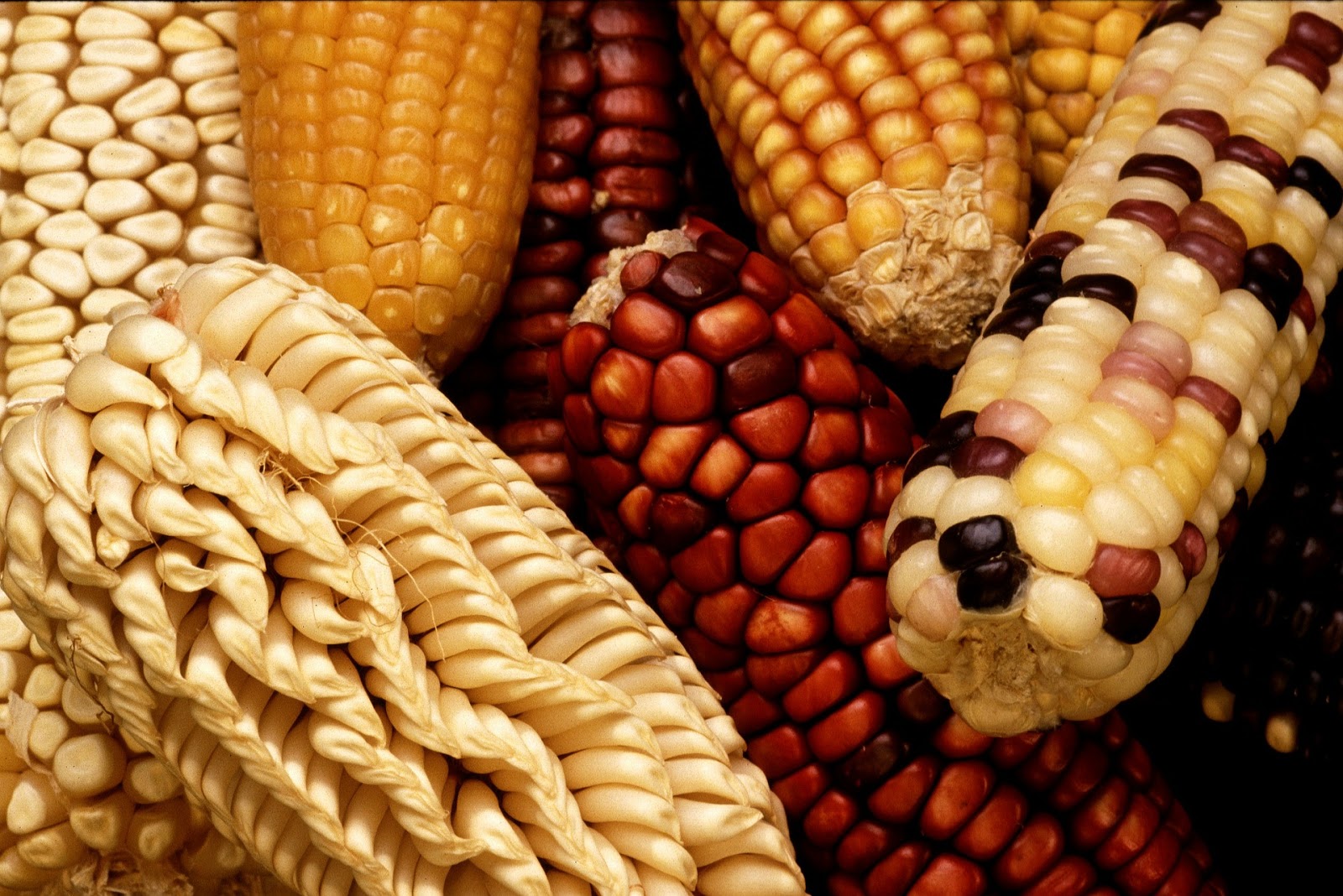
            Are you a consumer of GM foods? If it's way cheaper than non-Gm foods would you purchase them? Some persons don't want to consume GM foods simply because they fear that they might be dangerous for their health. Instead, they consume foods from organic and conventional production.


            GMO is short for genetically modified organism.


            So what is a genetically modified food?
            Basically, it's the food that comes from a GMO!


            Image via pixabay


            Some GM crops and ways in which they are used:
            corn : high-fructose corn syrup - use to sweeten foods
                     cornmeal   

            soybeans : oil
                             soy proteins

            canola : oil- use in processed foods

            cotton : oil

            Note:
            Not all the corn, soybeans, canola and cotton grown are genetically modified.

            If your not a consumer of GM foods, then how do you avoid them in the supermarkets (or wherever you shop) when you shop? Below are ways in which you can avoid genetically modified foods:


            - Read labels carefully
            This is very important! Read the labels on foods before you purchase them to see if they contain GM ingredients.

            - Only buy foods with labels 
            Without a label, you have no way of knowing if the manufacturer used GM ingredients.

            - Buy organic foods
            Organic foods contain no GMOs and so you are certain.

            - Buy the foods that are most likely to be genetically modified in organic 
            You should try this if organic is too expensive and as a result, you can't afford all your foods in organic or you're afraid of hidden ingredients. For example, buy organic soy and its products.
             
            - Avoid buying foods that are produced from crops that are mostly genetically modified
            These include corn, soybeans, canola, cotton, etc. The majority of these are genetically modified. For example, don't buy high fructose corn syrup and foods that contain it, like some cereals, candy, etc.

            - Buy foods from trusted companies
            Some food products have hidden GM ingredients in them because manufacturers don't want you to know. Also, some companies are not listing all of the ingredients on the labels. In order to avoid this, buy from companies that you know and trust.


             - Cook your own food
            Restaurants can be using GM ingredients in the foods that they cook! So a great solution to this is to cook your own food so you know what you're eating.  
             
            - Educate yourself
            For example, there are different names for high-fructose corn syrup and so you need to learn all the different names. This is necessary because if the manufacturer uses a name that you don't know, you will be consuming GM high-fructose corn syrup and you wouldn't even know it. 

            - Look for signs
            In some supermarkets, there are signs placed to say that certain foods are GMO-free and so you should look for those.

            - Avoid buying food from a particular country that produces a lot of GM foods
            If you normally purchase foods from the international section in the supermarket, buy foods from countries that don't produce a lot of GM foods.

            - Avoid buying too much processed foods.
            The majority of processed foods contain genetically modified (GM) ingredients so you should try to stay clear of them.

            We need to be smart when we shop for the foods that we consume!
            Older Posts Home

            WELCOME

            WELCOME
            Hi There, I am Nadina and welcome to The Next Healthy, my healthy living blog!

            Follow Me

            https://plus.google.com/b/113540088634785546284/+ThenextHealthyBlogspot/posts https://twitter.com/?lang=en

            POPULAR POSTS

            • Tips to get pregnant after 35
            • Reasons why you're not getting pregnant
            • Health benefits of ginger
            • Can these 7 foods cause inflammation in the body?
            • 25 foods that fight inflammation in the body
            • I have iron-deficiency anemia, should I be concerned?
            • How to eat healthy food without getting bored
            • 5 health benefits of probiotics
            • Bone broth benefits and recipes
            • Leaky Gut Syndrome - What it is, symptoms, causes, and remedies including food list

            Blog Archive

            • ▼  2019 (1)
              • ▼  November (1)
                • Leaky Gut Syndrome - What it is, symptoms, causes,...
            • ►  2018 (8)
              • ►  December (1)
              • ►  July (1)
              • ►  March (2)
              • ►  February (3)
              • ►  January (1)
            • ►  2017 (8)
              • ►  October (1)
              • ►  September (1)
              • ►  August (1)
              • ►  July (2)
              • ►  April (1)
              • ►  March (1)
              • ►  January (1)
            • ►  2016 (26)
              • ►  November (1)
              • ►  October (3)
              • ►  September (1)
              • ►  August (2)
              • ►  July (2)
              • ►  June (5)
              • ►  May (3)
              • ►  April (5)
              • ►  March (2)
              • ►  February (1)
              • ►  January (1)
            • ►  2015 (4)
              • ►  December (2)
              • ►  November (2)

            Copyright © 2016 The Next Healthy. Created by OddThemes